

May 29, 2026
About the Author: Stefan Joubert

The cello has a remarkable ability to suggest emotion without needing to overstate it. Its sound can be warm, intimate, sorrowful, tense or deeply personal, which is why film composers often turn to it when they want to create atmosphere, tenderness and dramatic weight.
In cinema, music often expresses what words cannot.
In a quiet scene, a solo cello can become the emotional voice of the story, revealing memory, longing or vulnerability with great subtlety.
For adult cello learners, this is one of the most fascinating qualities of the instrument.
The cello is not only central to classical music; it is also one of the most expressive voices in modern film music.
The Cello Sounds Close to the Human Voice
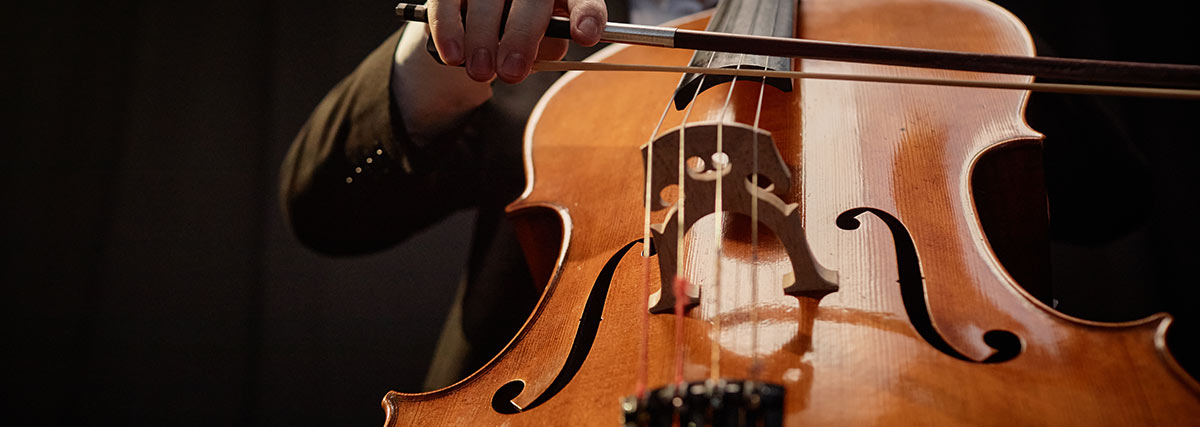
One of the most common reasons composers love the cello is its vocal quality.
The cello’s range sits close to the human voice, especially in its middle and lower registers.
It can sing with warmth, speak with intimacy and phrase in a way that feels almost conversational.
This makes the cello particularly effective in emotional scenes.
A solo cello line can feel as if it is expressing a private thought, a memory or a feeling that the character cannot say aloud.
Unlike some brighter instruments, the cello does not need to force emotion.
Its natural warmth allows it to sound sincere without becoming sentimental.
This is a rare and valuable quality in film scoring, where too much musical emotion can easily feel exaggerated.
It Creates Warmth in a Film Score
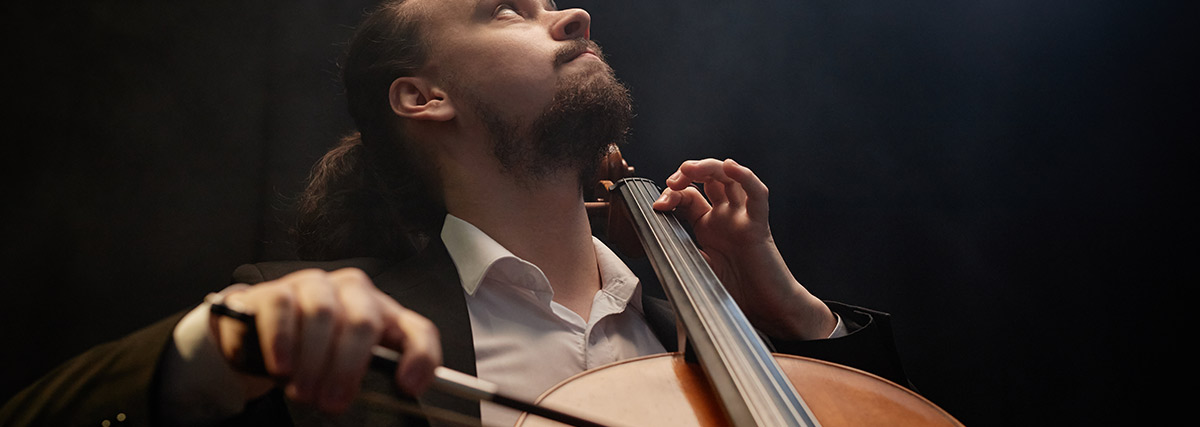
Not every film moment requires sadness or drama. Sometimes a composer needs warmth, beauty and emotional connection.
The cello is ideal for this.
In ensemble writing, cellos can create a rich foundation that supports the harmony without sounding heavy.
In a melodic role, the cello can bring warmth to romantic, nostalgic or reflective scenes.
Even a simple cello phrase can make a scene feel more human.
This warmth is especially powerful because it does not feel artificial.
The cello has a naturally rounded sound, and when played with sensitivity, it can make a musical line feel alive and breathing.
The Cello Can Be Dramatic Without Being Harsh
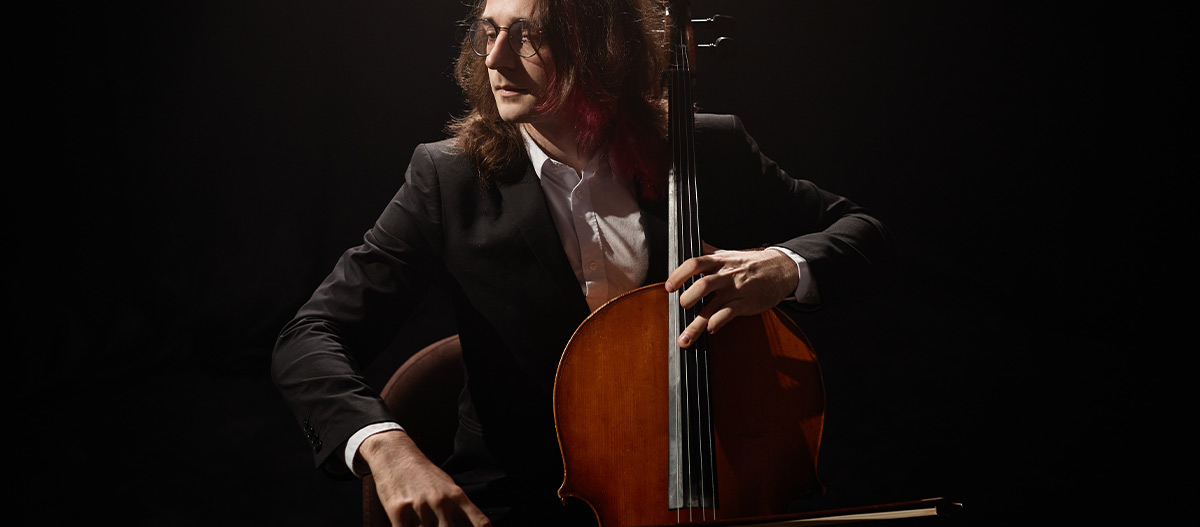
The cello is also capable of intensity. Film composers use it not only for tenderness, but also for suspense, darkness and dramatic tension.
Low cello notes can create unease.
Repeated rhythmic figures can build urgency.
Fast bowing, sharp articulation or darker tone colours can produce anxiety or danger.
Yet even in dramatic writing, the cello usually keeps a certain depth and sophistication.
This makes it extremely useful for film music.
The instrument can move from beauty to tension without sounding unnatural.
It can whisper, growl, pulse, sing or cry within the same score.

The Cello Shines Alone and Blends Beautifully
A solo cello can be unforgettable in film music.
Its sound is strong enough to hold attention, yet personal enough to feel intimate.
When the cello plays alone, every detail matters: bow speed, vibrato, phrasing, tone colour and even the silence between notes.
These details create a feeling of closeness, allowing the audience to feel the emotional direction of a scene almost immediately.
At the same time, the cello blends beautifully with many other instruments.
With piano, it can sound intimate and lyrical.
With strings, it adds body and warmth.
With woodwinds, it brings softness and colour.
With electronic textures, it can add a human quality to a modern sound world.
This flexibility is invaluable for film composers.
The cello can establish mood as a solo voice, support a large cinematic texture, or move naturally between intimacy and grandeur.
Few instruments can shift so gracefully between these roles.
The Cello Can Suggest Time, Memory and Nostalgia
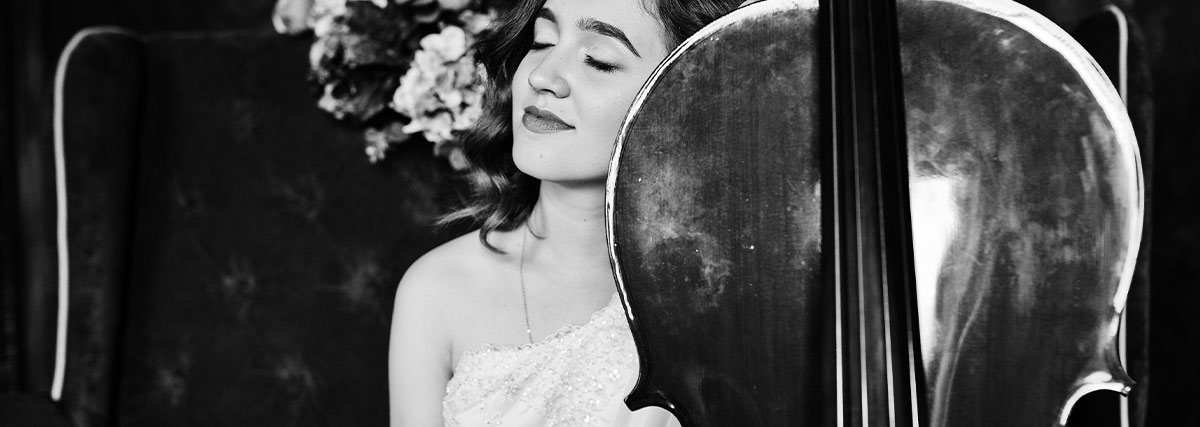
Film music often deals with memory.
A character remembers the past, returns to a place, reflects on loss or understands something important.
The cello is particularly well suited to these moments.
Its tone can feel old and timeless at the same time.
A slow cello melody can suggest memory without needing to explain it.
It can make a scene feel as though it carries emotional history.
This is why the cello is often associated with nostalgia.
It can sound like something remembered, something missed or something deeply valued.

Developing a Cinematic Cello Sound
Understanding why film composers love the cello can inspire adult learners to think beyond notes and technique.
The cello is valued because it can communicate warmth, depth, tension and vulnerability with remarkable honesty.
To create this kind of expressive sound, students need good bow control, accurate left-hand technique and sensitive listening.
Small details, such as bow speed, vibrato and phrasing, can completely change the mood of a passage.
At the London Cello Institute, we help adult students develop both technical confidence and musical intention, so they can bring more colour, emotion and depth to their playing.

Famous Films That Show the Cello’s Emotional Power
The cello has appeared in many memorable film scores and screen moments because it can express emotion with unusual directness.
In Crouching Tiger, Hidden Dragon, Tan Dun’s score features Yo-Yo Ma’s cello playing, bringing tenderness, mystery and emotional depth to the film’s poetic atmosphere.
In Memoirs Of A Geisha, John Williams also uses Yo-Yo Ma’s cello to add intimacy, elegance and longing to the soundtrack.
In Seven Years In Tibet, John Williams again uses Yo-Yo Ma’s cello to bring a sense of nobility, distance, nobility and quiet reflection.
The cello is also strongly associated with films about musicians and musical identity.
Hilary And Jackie, based on the life of Jacqueline du Pré, places the cello at the centre of the drama, with Elgar’s Cello Concerto playing an especially important role.
If I Stay also presents the cello as part of the main character’s identity, showing how the instrument can represent sensitivity, ambition and personal emotion.
The Soloist includes cello playing as part of its story of music, struggle and human connection.
These examples show why film composers love the cello so much.
It can shape a film score, define a character, create atmosphere and express feelings that words alone cannot fully capture.
Conclusion
Film composers love the sound of the cello because it is deeply expressive, versatile and emotionally direct.
It can sound close to the human voice, create warmth, be dramatic, build tension and carry a melody with extraordinary depth.
For adult learners, this is part of the cello’s great appeal.
The instrument offers not only a rich musical tradition, but also a powerful modern voice that continues to shape the emotional world of cinema.
Learning the cello allows students to explore this expressive beauty from the inside.
With patience, expert guidance and careful listening, the cello becomes more than an instrument.
It becomes a voice capable of telling stories, shaping atmosphere and communicating feelings with remarkable honesty.
At the London Cello Institute, our in person or online cello lessons for adults are designed to help students develop this depth of sound, technique and musical expression with confidence and support.
Related Articles:

RELATED POSTS


